If you picture Mount Dora living as one simple choice between “on the water” and “not on the water,” you may miss some of the best options. In this area, lakefront living comes in several forms, and each one brings a different mix of views, boating access, maintenance, and monthly costs. If you want to match your budget and lifestyle to the right kind of home, this guide will help you compare the main lake-oriented options around Mount Dora. Let’s dive in.
Why Mount Dora Feels So Connected to Water
Mount Dora’s identity is closely tied to Lake Dora. The city says it took its name from the lake in 1883, and its public spaces include a lakefront boardwalk that continues to shape how residents and visitors experience the area.
That connection goes beyond one shoreline. Lake Dora links to other parts of the Harris Chain through nearby waterways, including the Dora Canal, and Lake County identifies both public and private boat ramp locations across the area. In everyday terms, that means your “lake lifestyle” can look very different depending on where you buy.
Mount Dora also offers public waterfront amenities that matter to buyers who do not need private shoreline. The city lists 4th Ave Docks with a boat ramp, Palm Island Park with kayak rentals and a rustic boardwalk, and Simpson Cove with a boat launch.
Lakefront Options Around Mount Dora
Direct lakefront homes
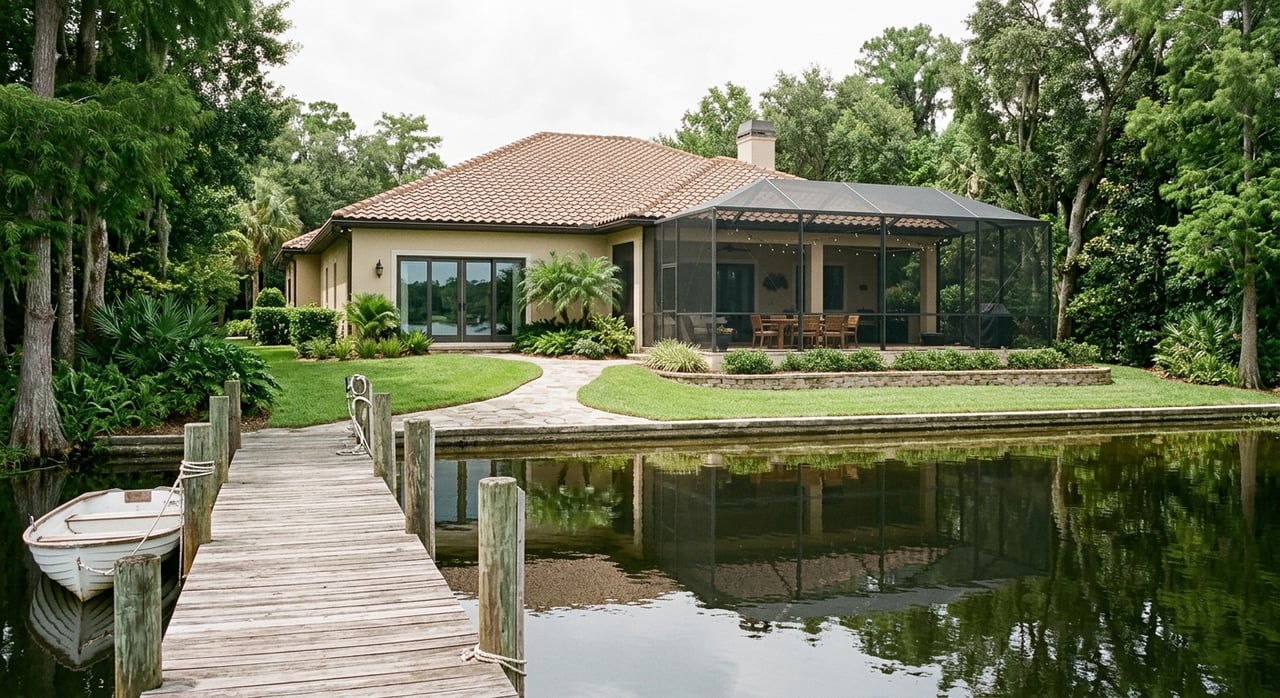
Direct lakefront single-family homes are the closest match to the classic waterfront dream. These properties often offer the widest views, the strongest sense of privacy from the street, and the best chance for private dock use.
They also tend to come with the highest ownership responsibility. Shoreline condition, drainage, flood exposure, seawall upkeep, and dock maintenance can all affect your long-term costs.
If your goal is to wake up to open water every day and enjoy the fullest waterfront experience, this may be the right fit. You will just want to look beyond the view and study the property’s physical details carefully.
Canal-front and sheltered-water homes
Canal-front or sheltered-water homes offer a middle-ground option. You may give up some wide-open lake views, but you can gain calmer water and, in some cases, easier docking depending on the lot layout.
This category can be especially appealing if you want water access without taking on the full premium of open-water frontage. Still, you should confirm exactly what the parcel touches and whether access is private, shared, or simply near a public launch.
In Mount Dora and the surrounding lake system, those distinctions matter. A home can feel very “water-oriented” while offering a different ownership and maintenance picture than a true open-lake property.
Downtown-adjacent historic homes
Some buyers are less focused on private shoreline and more interested in the experience of living near Mount Dora’s downtown and public waterfront spaces. Older homes near downtown can offer character, convenience, and easy access to parks and lake views without requiring direct waterfront ownership.
This option often appeals to buyers who want a walkable daily routine and a strong sense of place. You may not have your own dock, but you can still enjoy the city’s lakefront setting as part of everyday life.
For many people, that is a smart trade. You get much of Mount Dora’s charm and water-centered atmosphere while avoiding some of the maintenance tied to shoreline improvements.
Active-adult community living
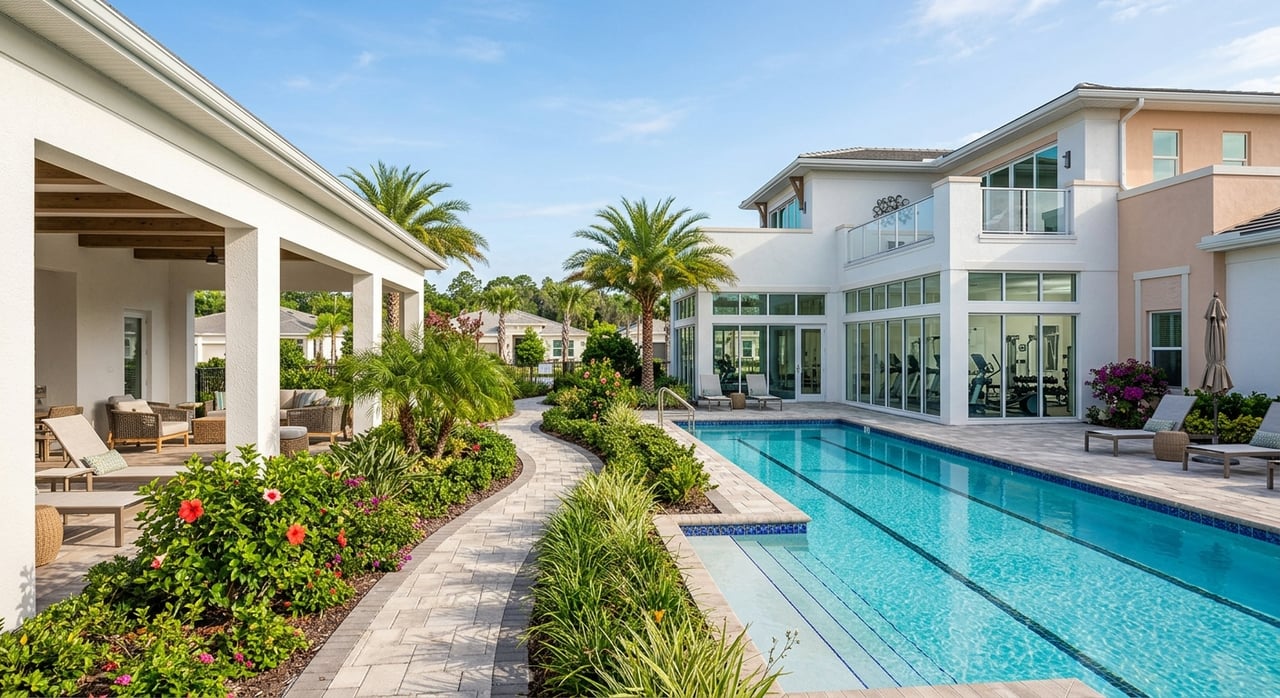
If low maintenance is a top priority, an HOA-managed community may be worth a serious look. Lakes of Mount Dora is one local example, described by the community as a 55+ active-adult neighborhood with 950 homesites across 178 acres of lakes and an 18,000-square-foot island clubhouse.
For buyers who want a Mount Dora lifestyle with more predictability, this can be a strong alternative to private lakefront ownership. You may trade private open-water frontage for community amenities, managed upkeep, and a simpler day-to-day ownership experience.
This can be especially helpful if you are downsizing, relocating, or trying to keep future maintenance more manageable. It is one reason many 55+ buyers compare community living directly against lakefront homes rather than viewing them as completely separate categories.
Near-lake homes without shoreline ownership
Near-lake homes can be an excellent compromise if you want the feel of Mount Dora’s waterfront lifestyle without buying direct frontage. These homes often let you enjoy downtown, parks, launches, and the broader lake setting while keeping the purchase price and upkeep more predictable.
For budget-conscious buyers, this category deserves real attention. Boating access is not the same as owning the shoreline, and in some cases public amenities may provide enough access for the way you actually plan to live.
If your priority is being close to the water rather than maintaining the water’s edge, this option can make a lot of sense. It often opens up more flexibility in both your home search and your monthly carrying costs.
What Really Changes the Cost of Lake Living
Access versus ownership
One of the biggest misconceptions is that living near the water automatically means the same thing as owning the water’s edge. In Lake County, public and private ramp locations vary, and Mount Dora itself offers public launch points and waterfront access through city facilities.
That distinction affects both price and responsibility. A home with nearby public access may still support your boating or kayaking lifestyle, but without the same dock, seawall, and shoreline obligations that can come with direct frontage.
Docks and seawalls
Dock and seawall improvements are not just casual add-ons. Florida DEP regulates dock-related work and treats items like dock pilings and seawalls as regulated work in surface waters.
Mount Dora’s planning process also requires site plans to address issues such as drainage, flooding hazards, surface waters, and applicable permits. If a home includes shoreline improvements, you should ask about their condition, their history, and whether the work was properly permitted.
Flood exposure and insurance
Flood insurance can become a major budget factor for lake-oriented homes. FEMA states that standard homeowners and renters insurance generally do not cover flood damage, and its Flood Map Service Center is the official source for flood-zone maps.
Timing matters too. FEMA says NFIP policies typically have a 30-day waiting period before becoming effective, so this is not a detail to leave for the last minute.
Even if two homes feel similar from the street, their flood-related costs may differ. That is why a lake home search should always include a property-specific review of flood exposure.
Sewer or septic
Utilities matter more than many buyers expect. Florida Department of Health in Lake County handles onsite sewage treatment and disposal, and its existing-system guidance calls for pump-out certification and, when applicable, records related to sewer availability.
Mount Dora also provides city services that include water, sewer, electric, stormwater abatement, and solid-waste services. For lake-related properties, utility setup and drainage conditions can influence both convenience and long-term ownership costs.
Questions to Ask on a Lakefront Tour
When you tour lake-related homes around Mount Dora, it helps to get very specific. A beautiful view can hide practical differences that matter after closing.
Ask questions like these:
- What does the property actually touch: open water, canal, shared water, or only a view?
- Does the home have a private dock, a shared dock, or only nearby public ramp access?
- Who owns and maintains the shoreline, dock, and seawall?
- Were shoreline improvements properly permitted?
- Is the home in a FEMA flood zone?
- What flood coverage might be required or recommended?
- Is the property connected to sewer, or does it use septic?
- If there is an HOA, are there rules about boats, trailers, rentals, exterior changes, or age restrictions?
These questions can help you compare homes more fairly. They also make it easier to separate a property that simply looks appealing from one that truly fits your lifestyle and budget.
How to Choose the Right Fit
The best Mount Dora lakefront option depends on how you want to live, not just what looks best in photos. If you want the fullest water experience and are comfortable with more upkeep, direct frontage may be worth the premium.
If you want a balanced approach, canal-front, shared-water, or near-lake homes may deliver much of the same lifestyle with fewer ownership demands. And if low-maintenance living is the priority, a 55+ community such as Lakes of Mount Dora may offer the right blend of convenience, amenities, and local character.
A calm, informed comparison usually leads to a better decision than chasing a label like “lakefront.” In Mount Dora, the right answer is often about fit, access, and long-term comfort.
Whether you are searching for a true waterfront property, a downtown-adjacent home, or a low-maintenance 55+ option, having local guidance can make the process much easier. If you want help comparing Mount Dora lake living options and narrowing down what truly fits your goals, reach out to Scott Mcfadden.
FAQs
What types of lakefront living options are available around Mount Dora?
- Around Mount Dora, buyers often compare direct lakefront homes, canal-front homes, downtown-adjacent historic homes, 55+ active-adult communities, and near-lake homes without direct shoreline ownership.
What is the difference between direct lakefront and canal-front homes in Mount Dora?
- Direct lakefront homes usually offer broader views and a more classic waterfront feel, while canal-front homes may provide calmer water and a more sheltered setting, with different access and maintenance considerations.
Do near-lake homes in Mount Dora still offer boating access?
- Some near-lake homes may rely on public access rather than private shoreline, and Mount Dora has public waterfront amenities including a boat ramp at 4th Ave Docks and a boat launch at Simpson Cove.
What should you ask when touring a lake-related home in Mount Dora?
- You should ask what the property actually touches, whether access is private or shared, who maintains shoreline improvements, whether permits were obtained, whether the home is in a flood zone, and whether the property uses sewer or septic.
Are 55+ communities near Mount Dora an alternative to lakefront homes?
- Yes. For buyers who want lower-maintenance living and amenities instead of private shoreline ownership, a 55+ community such as Lakes of Mount Dora can be a strong alternative.
Why does flood insurance matter for Mount Dora lake homes?
- Flood insurance matters because FEMA states that standard homeowners insurance generally does not cover flood damage, so lake-oriented buyers should review flood-zone maps and likely insurance costs early in the process.