Feeling overwhelmed before you even put the sign in the yard? You are not alone. Selling a home in Mount Dora can feel like a lot of moving parts at once, especially when you are also thinking about timing, repairs, paperwork, and your next move. The good news is that a lower-stress sale usually comes down to doing things in the right order, not doing everything at once. Let’s break it down.
Start Early for Less Stress
If you want a smoother sale, give yourself a multi-week runway before listing. Recent market trackers for Mount Dora point to an active market, but not one where last-minute prep is your best strategy. Depending on the source and the stage being measured, recent figures show median sale or list prices in the roughly low-$400,000s to upper-$400,000s, with homes often taking several weeks to move from listing to pending.
That matters because it supports a simple planning idea: start before listing week. When you give yourself time to price correctly, gather documents, and handle small presentation fixes, you reduce the odds of rushed decisions later.
Follow a Simple Prep Order
One of the easiest ways to lower stress is to avoid tackling everything at once. In Mount Dora, a practical seller-prep sequence looks like this:
- Pricing conversation first
- Paperwork second
- Decluttering and light updates third
- Showing readiness last
This order helps you focus on what actually affects value, disclosures, and buyer perception. It also keeps you from overspending on projects that may not improve your result.
Weeks 4 to 6: Price First, Then Plan
Your first move should be a pricing and listing consultation, not a renovation spree. A strong pricing conversation helps you sort out what is worth fixing, what is cosmetic, and what may need to be disclosed.
This step is especially helpful if you are downsizing, relocating, or helping a family member sell. When you have a clear plan early, the rest of the process tends to feel much more manageable.
Focus on Value, Not Perfection
You do not need to make your home perfect to sell it well. In most cases, the goal is to identify the items that affect first impressions, marketability, or contract risk.
That may include issues like leaks, prior water intrusion, roof concerns, mechanical problems, unpermitted changes, or other known defects. In Florida, residential real estate licensees must disclose known facts that materially affect the value of a property and are not readily observable, so it helps to make a complete written list early.
Gather Records Before You Need Them
Paperwork often creates more stress than paint colors. If you wait until you have an offer in hand, missing documents can quickly become a headache.
Mount Dora’s Building Division handles permitting, plan review, inspections, and final acceptance for additions and alterations, and Lake County Building Services also offers access to permit information online. That makes it smart to verify whether past improvements were properly permitted before your home goes live.
Early Prep Checklist
- Schedule your pricing and listing conversation
- Gather permits, final inspections, warranties, and repair receipts
- Collect HOA or community association documents if they apply
- Make a written list of known defects or recurring issues
- Decide which repairs are necessary and which are cosmetic
Weeks 2 to 3: Shift to Presentation
Once the strategy and paperwork are underway, move to presentation. This is the stage where your home starts to look more market-ready without turning into a major renovation project.
For most sellers, this means decluttering, deep cleaning, handling minor repairs, and refreshing areas that show wear. Think in terms of clean, bright, and easy to photograph.
Declutter What Buyers Notice Most
You do not need a minimalist house. You do need rooms that feel open, cared for, and easy to understand when buyers walk through.
Start with counters, closets, garages, and storage areas. These spaces tend to affect how spacious and functional a home feels, and they are often the first places buyers notice crowding.
Tackle Small Repairs and Touch-Ups
Minor issues can create outsized concern. A dripping faucet, chipped paint, loose hardware, or scuffed walls can make buyers wonder what else has been overlooked.
This is why small repairs are usually worth doing. They help your home show as maintained, and they can reduce avoidable objections during tours and inspections.
Improve Curb Appeal Without Overdoing It
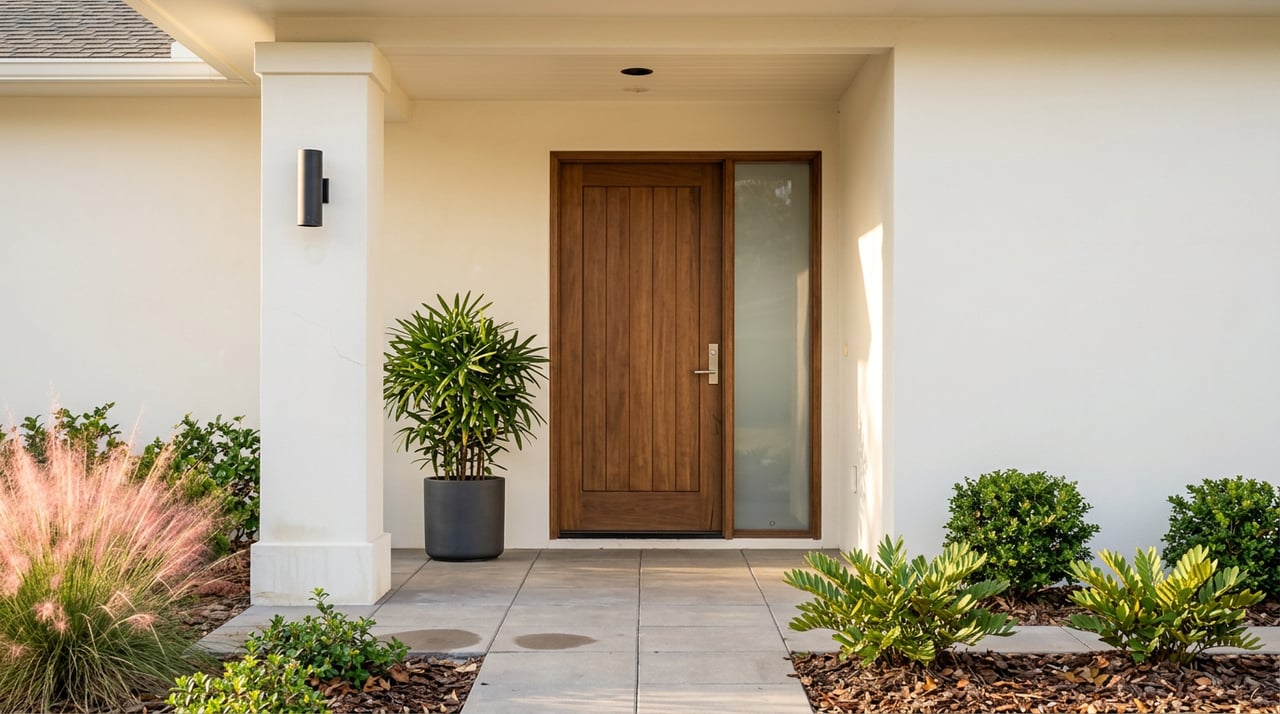
Your exterior sets the tone before a buyer ever walks inside. In this phase, simple curb-appeal work can go a long way.
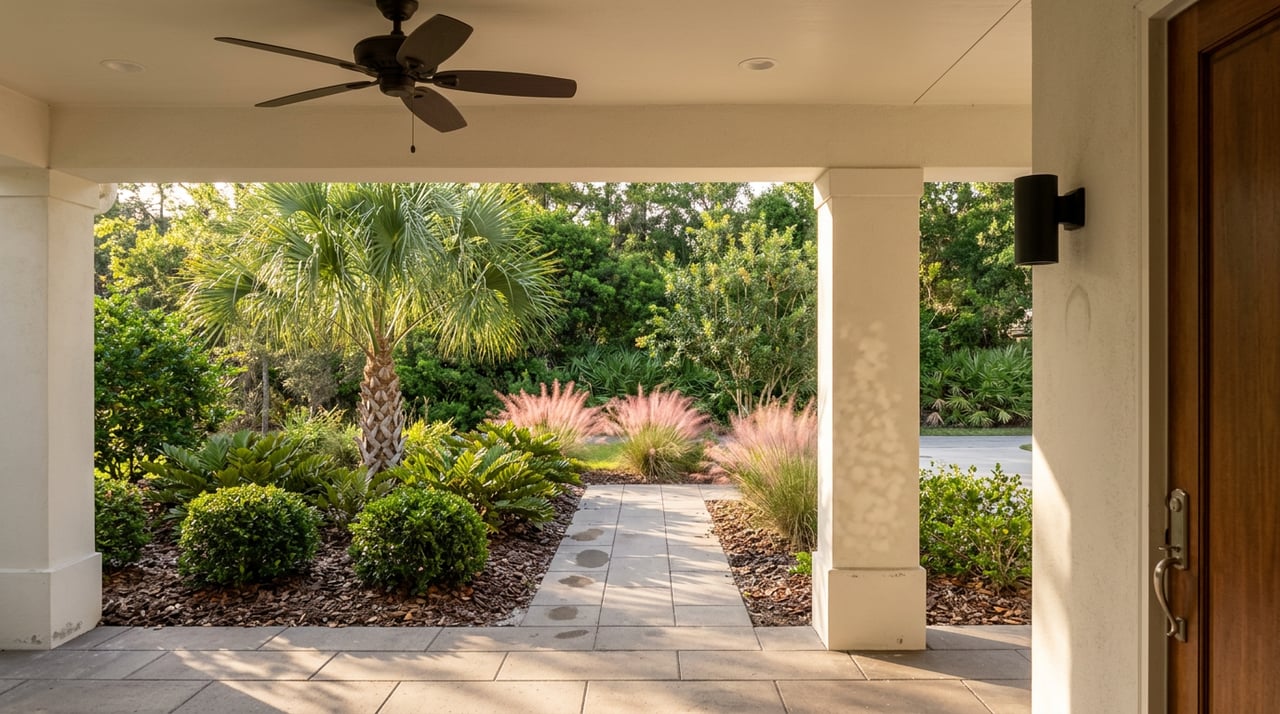
Focus on landscaping cleanup, neat walkways, and an orderly front entry. You are aiming for a clean, welcoming first impression, not a full outdoor redesign.
Presentation Checklist
- Clear counters, closets, garages, and storage areas
- Deep-clean kitchens, bathrooms, floors, windows, and baseboards
- Handle small repairs buyers notice quickly
- Touch up scuffs and worn paint
- Tidy landscaping and improve the front entry
Final Week: Create a Showing Routine
The final week before photos and showings is about consistency. Instead of scrambling every day, set up a simple routine you can repeat.
This is one of the best ways to reduce stress during the live-listing period. When everything has a place and every showing follows the same plan, your house is easier to keep ready.
Make Show-Ready Simple
A daily reset does not need to be complicated. It can be as basic as clearing surfaces, putting away chargers and mail, checking lighting, and doing a quick kitchen and bath refresh.
If you have pets, medications, valuables, or sensitive papers, decide in advance where those items will go during showings. The fewer last-minute choices you have to make, the easier the process feels.
Final-Week Checklist
- Create a daily cleaning reset routine
- Plan pet and household logistics for showings
- Secure valuables and personal documents
- Set comfortable lighting and temperature
- Keep the home photo-ready for short-notice tours
Florida Disclosures Can Slow Things Down
Some of the biggest seller stress points do not come from showings. They come from disclosures and documents that surface late.
If you prepare these items early, you can avoid unnecessary delays once a buyer is ready to move forward.
Property Tax Disclosure Summary
Florida requires a property-tax disclosure summary in residential sales. The purpose is to warn buyers not to assume the seller’s current tax bill will match their future taxes, since a change in ownership or improvements can lead to reassessment.
For you as a seller, this means your pricing conversation should stay separate from a buyer’s future tax situation. It is helpful to understand your own tax history, but not to frame it as what the next owner should expect.
Flood Disclosure Records
Florida also requires a flood disclosure at or before contract execution for residential sales. The form addresses whether the seller knows about flood damage, flood insurance claims, or FEMA assistance related to the property.
If any of that applies to your home, gather those records early. Even if the answer is straightforward, having the information ready reduces stress later.
Lead-Based Paint for Older Homes
If your home was built before 1978, lead-based paint disclosure rules apply. Sellers and their agents must disclose known lead information, provide available records and reports, and handle the required buyer paperwork.
This is often more of a document issue than a repair issue, but it can still create delays if old records are hard to find. If your home falls into this category, start gathering those materials sooner rather than later.
HOA and Community Documents
If your home is in a homeowners association or covenant-governed community, the disclosure summary must be provided before contract execution. If it is not provided on time, the contract may be voidable by the buyer within a limited period.
That is a strong reason to collect association documents before the first showing, not after the first offer. Early preparation gives you more control and fewer surprises.
Disclosure Checklist
- Confirm the property-tax disclosure summary is ready
- Collect flood-related records, if any exist
- Gather lead-based paint records for pre-1978 homes
- Assemble HOA or association documents if applicable
- Review your known-issues list before listing
Plan for Your Next Move Too
If you are selling in order to buy another home in Lake County, tax planning deserves its own checklist. Keeping that separate from sale prep can make the whole transition feel much less overwhelming.
Lake County notes that a homestead exemption does not automatically transfer when you move to a new home in the county. A new homestead application is required, and eligible owners may be able to transfer up to $500,000 of Save Our Homes benefit through portability. Florida Revenue says portability forms are due by March 1 of the first year after the move.
Next-Home Tax Planning Checklist
- Verify whether you will need a new homestead filing
- Check whether portability may apply to your move
- Note the March 1 filing deadline
- Avoid assuming your current tax bill will carry over
Keep the Process Calm and Practical
A low-stress sale in Mount Dora usually does not come from doing more. It comes from doing the right things in the right order. Start with pricing, move into paperwork, handle presentation next, and save showing routines for the final step.
That approach fits both the local market pace and the realities of Florida paperwork. If you want steady guidance, clear communication, and hands-on help organizing the moving pieces, Scott Mcfadden can help you prepare and sell with more confidence.
FAQs
How early should you start preparing to sell a Mount Dora home?
- A good rule is to start 4 to 6 weeks before listing so you have time for pricing, paperwork, decluttering, and small repairs without rushing.
What should you do first when selling a home in Mount Dora?
- Start with a pricing and listing conversation so you can decide which repairs, documents, and updates actually matter before spending time or money.
Which repairs are worth doing before listing a Mount Dora home?
- Focus on small repairs and known issues that affect buyer perception, disclosures, or inspection concerns, rather than jumping into a full remodel.
What paperwork should you gather before listing a home in Florida?
- Gather permits, final inspections, warranties, receipts, HOA or community documents if applicable, flood-related records if any exist, and lead-based paint records for pre-1978 homes.
How do Florida disclosure rules affect Mount Dora home sellers?
- Florida rules make it important to prepare known-defect information, property-tax disclosure materials, flood disclosures, and any required community or lead-based paint documents before contract time.